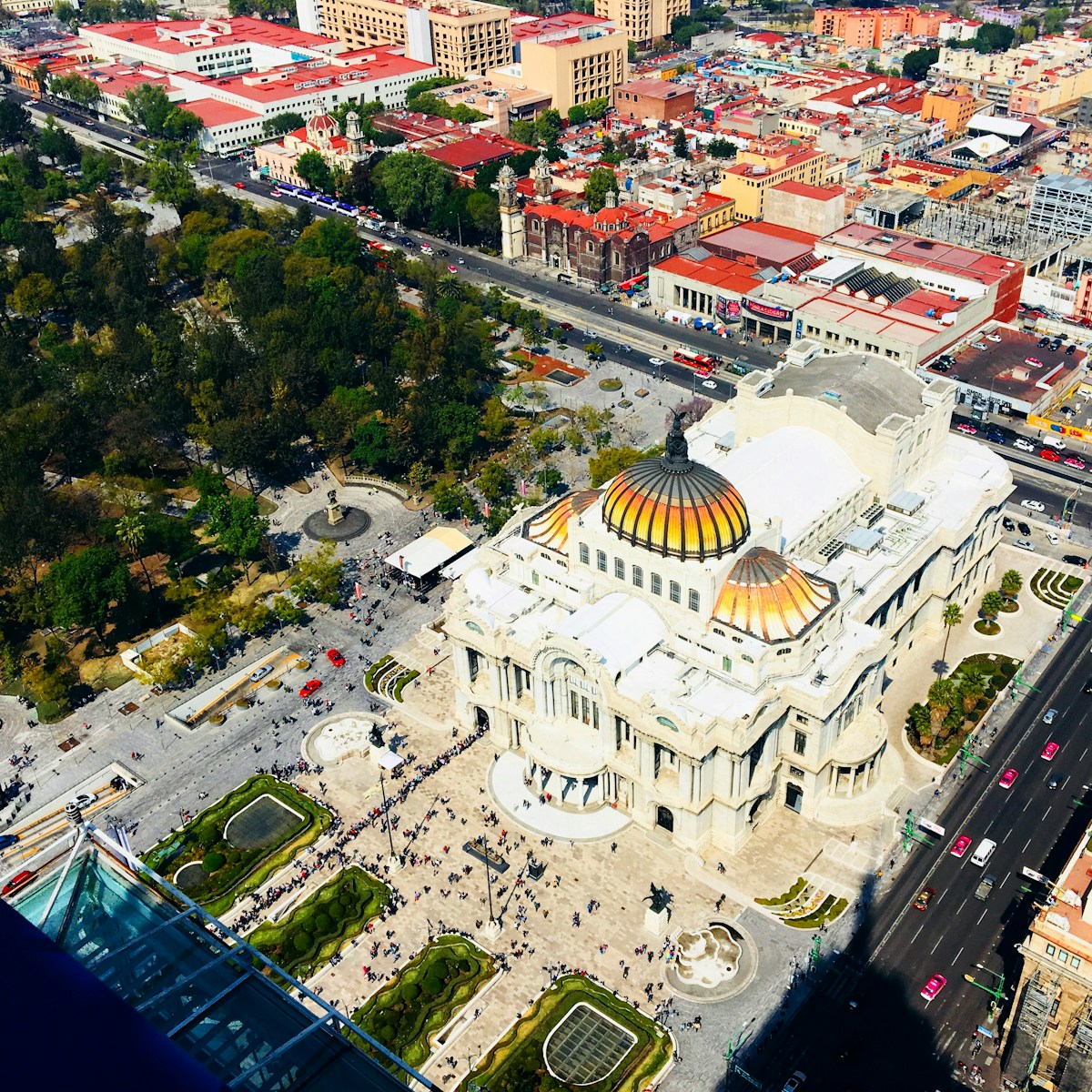
Food, art, old streets
Mexico City
Begin neighborhood by neighborhood: Roma and Condesa for an easy first day, Centro early, and Chapultepec when you can give it a full afternoon.
Not a checklist. A thoughtful way into the food, landscapes, neighborhoods, and people that make every region feel like its own country.
Choose your starting pointPick the trip you actually want—not the destination everyone else posts.
Begin neighborhood by neighborhood: Roma and Condesa for an easy first day, Centro early, and Chapultepec when you can give it a full afternoon.
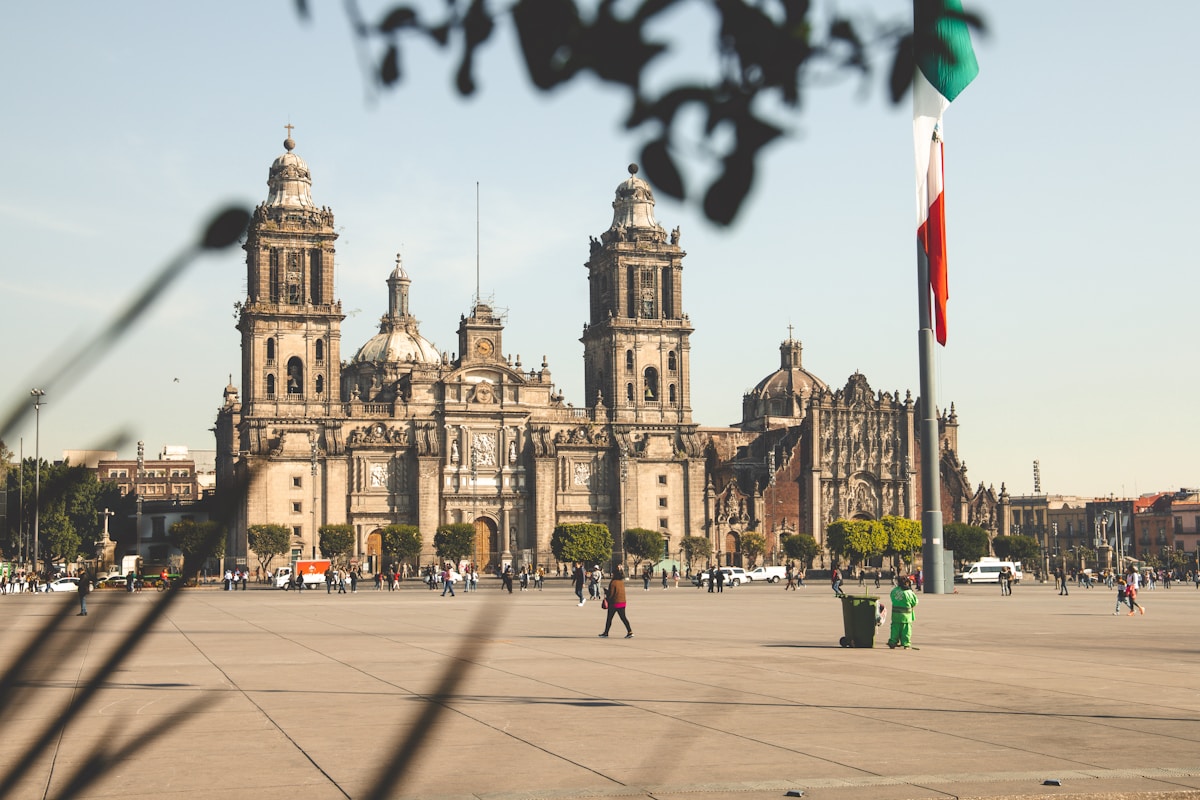
A compact city with serious food and living craft traditions. Pick one valley day trip instead of turning makers and ruins into a checklist.
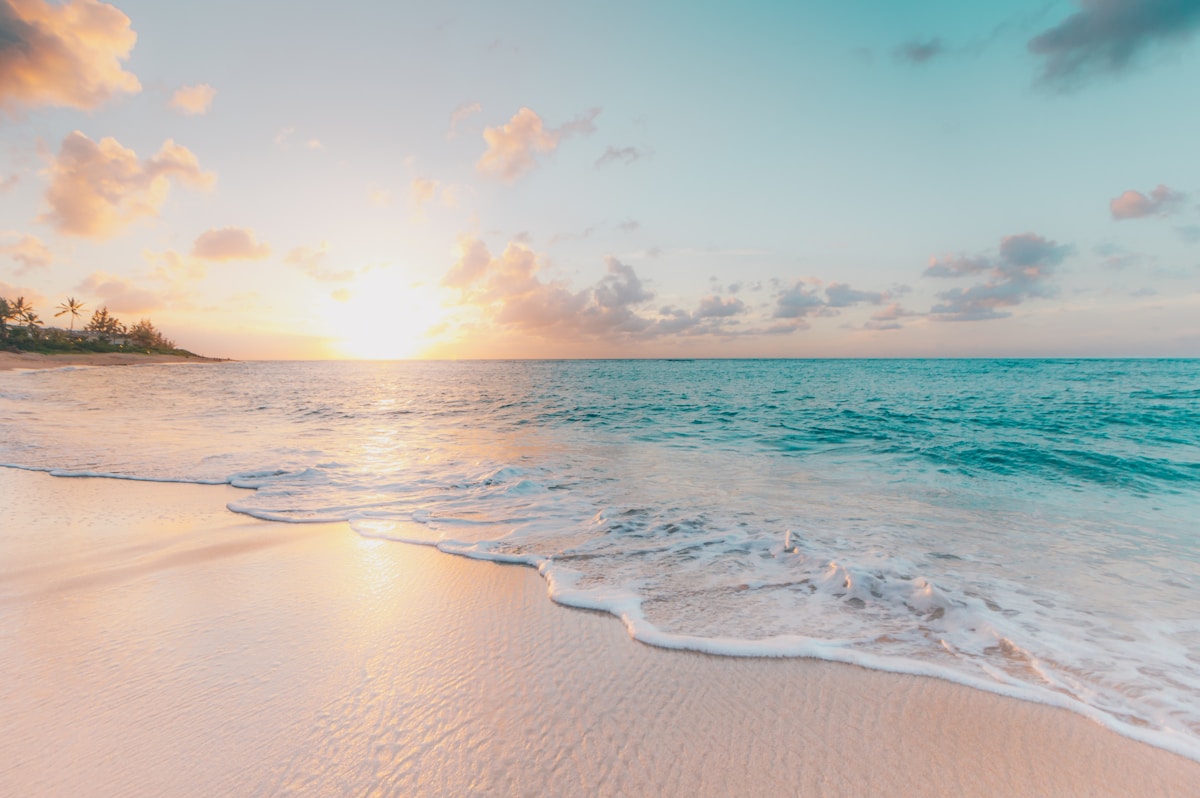
Group days by geography. Pair Tulum with a nearby cenote, Akumal with reef time, and give Chichén Itzá the early start it requires.
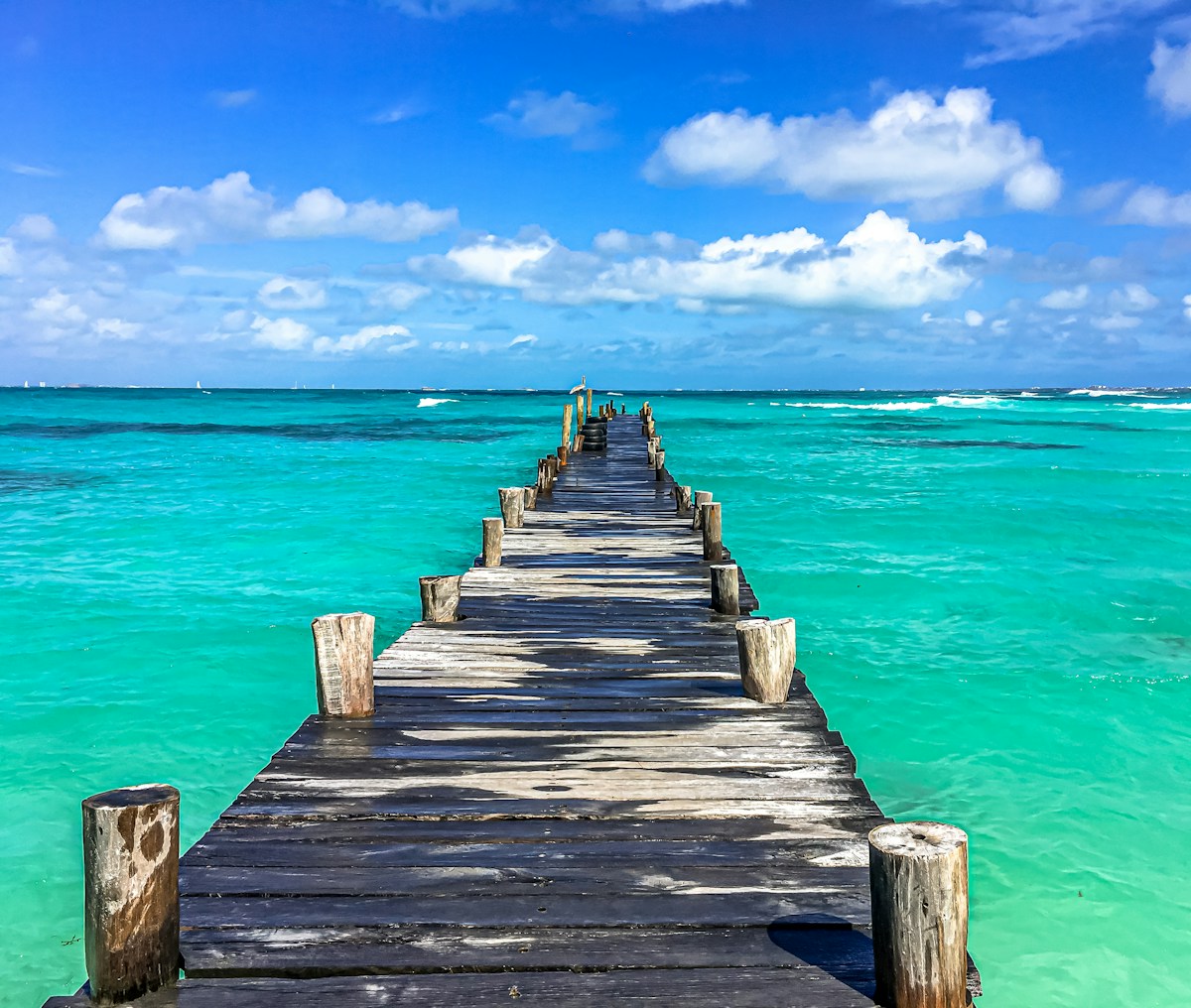
Stay where you can walk to dinner, galleries, and the malecón. Look south for small coves reached by water taxi.

Know the difference between Cabo San Lucas and San José del Cabo—and remember that not every beautiful beach is safe for swimming.
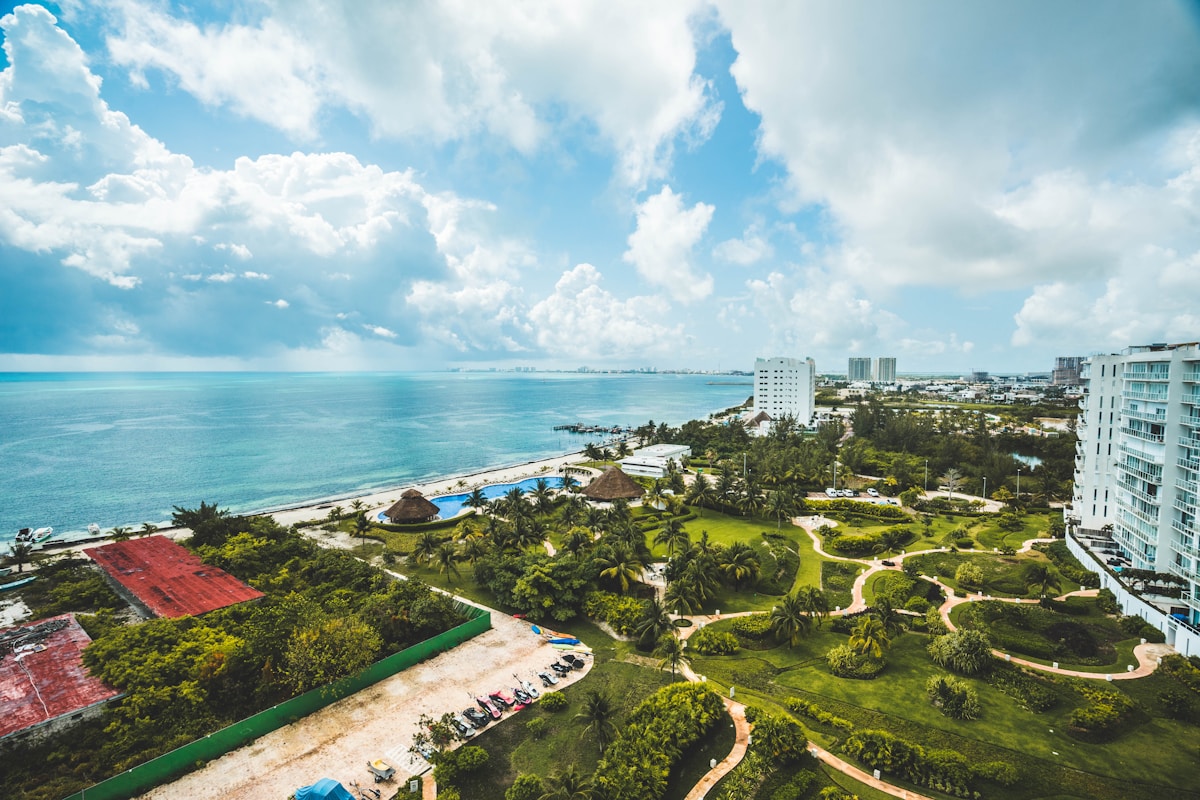
Choose between resort convenience and downtown texture. Check total transfer time before calling any excursion a half day.
Practical city and regional guides with candid advice on where to stay, how long to allow, and what kind of trip each place actually suits.
A capital best understood neighborhood by neighborhood, with serious food, museums, design, and history layered into everyday streets.
4–6 nights Read the guide →02 · OaxacaA compact, walkable city with exceptional markets, kitchens, mezcal culture, and living craft traditions in the surrounding valleys.
3–5 nights Read the guide →03 · YucatánA gracious base for Yucatecan food, neighborhood evenings, haciendas, cenotes, and archaeological day trips.
3–5 nights Read the guide →04 · YucatánA small colonial city that works as more than a lunch stop, especially for travelers visiting nearby Maya sites and cenotes.
2–3 nights Read the guide →05 · GuanajuatoA highland city of steep lanes, courtyards, galleries, rooftop views, and a strong food and design scene.
3–4 nights Read the guide →06 · GuanajuatoA theatrical university city built through hills, tunnels, plazas, and brightly colored neighborhoods.
2–4 nights Read the guide →07 · Central MexicoA rewarding city for ceramics, baroque architecture, convent sweets, and one of Mexico’s most distinctive regional kitchens.
2–3 nights Read the guide →08 · JaliscoA large, energetic city with landmark architecture, excellent eating, design districts, and easy access to nearby towns.
3–5 nights Read the guide →09 · Jalisco CoastA Pacific city where beaches, hillside streets, galleries, restaurants, and boat-access coves can share one trip.
4–7 nights Read the guide →10 · Riviera NayaritA lively surf town suited to travelers who value walkability, casual food, and social energy more than quiet polish.
2–4 nights Read the guide →11 · Baja California SurA desert-and-sea resort region split between Cabo San Lucas, the corridor, and the more relaxed center of San José del Cabo.
4–6 nights Read the guide →12 · Baja California SurA relaxed waterfront city with island excursions, clear water, desert landscapes, and a distinctly local rhythm.
3–5 nights Read the guide →13 · Quintana RooAn exceptionally easy arrival point with two very different experiences: the resort-lined Hotel Zone and the everyday city downtown.
3–6 nights Read the guide →14 · Quintana RooA compact island with calm-water beaches, golf-cart traffic, and a slower overnight atmosphere after day visitors leave.
2–4 nights Read the guide →15 · Riviera MayaA practical, walkable Caribbean base with strong ferry and road connections, a busy center, and many hotel styles.
3–6 nights Read the guide →16 · Riviera MayaA destination divided among town, beach road, ruins, and jungle hotels—beautiful, expensive, and highly dependent on exact location.
3–5 nights Read the guide →17 · Southern Quintana RooA lagoon town for quiet mornings, small hotels, paddling, and a welcome change from the northern resort corridor.
2–4 nights Read the guide →18 · ChiapasA cool highland city of markets, courtyards, surrounding Indigenous communities, and a pace very different from coastal Mexico.
3–5 nights Read the guide →Use these routes for inspiration, then choose live tours and activities below. Every bookable result shows current supplier details before checkout.
A food-and-culture trip with neighborhood time, a guided first day in each city, and one carefully chosen valley excursion.
A beach stay balanced with cenotes, reef time, and Maya history—planned by geography so the trip does not disappear into transfers.
Desert landscape, swimmable-water planning, a boat day, and open evenings without locking every hour of the trip.
Current tours and tickets from established activity suppliers.

★ 4.5 · 1 hours
From $9.14View dates →
★ 4.7 · Check duration
From $173.71View dates →
★ 4.6 · Check duration
From $84.95View dates →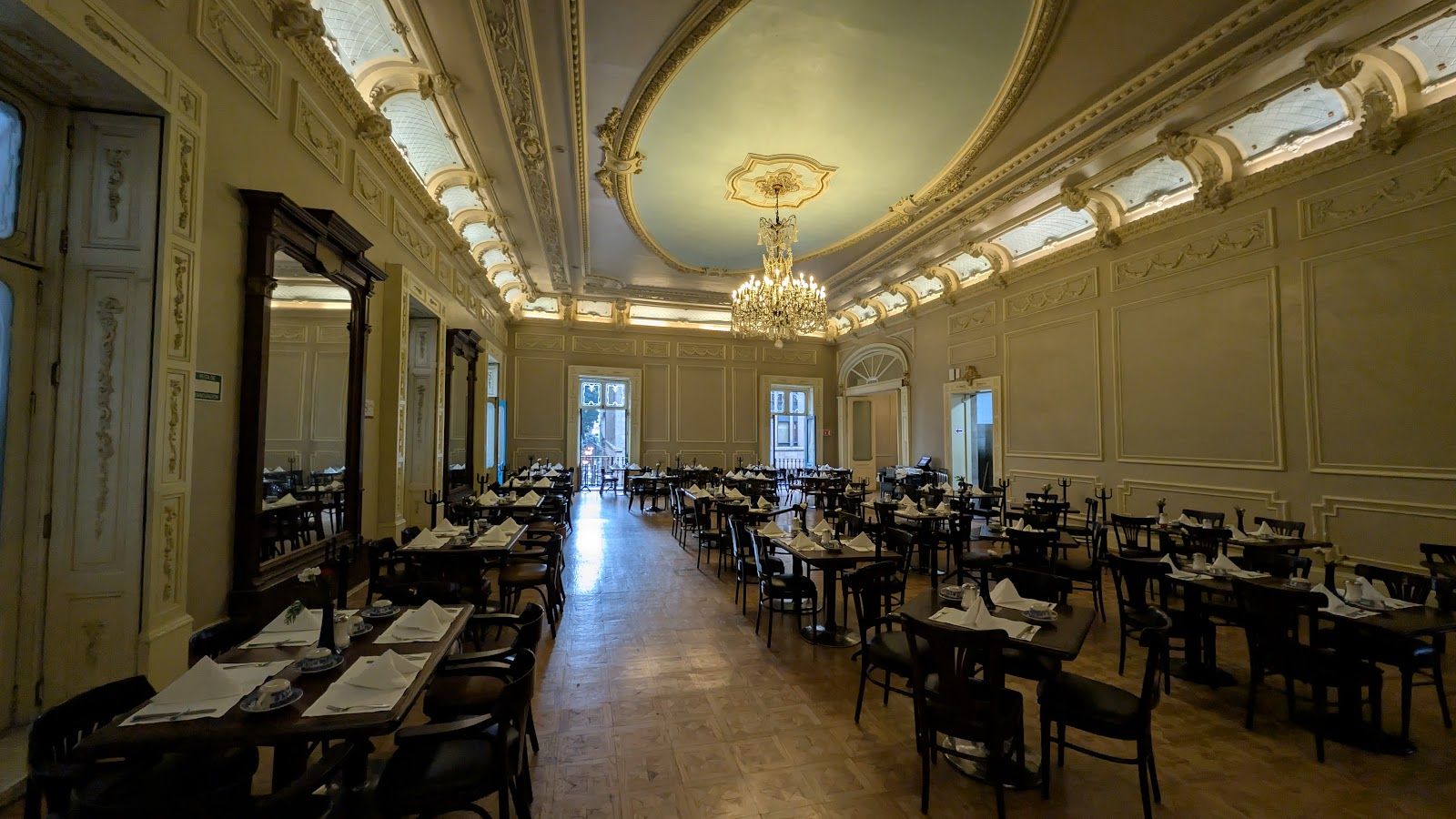
3 hours
From $11.43View dates →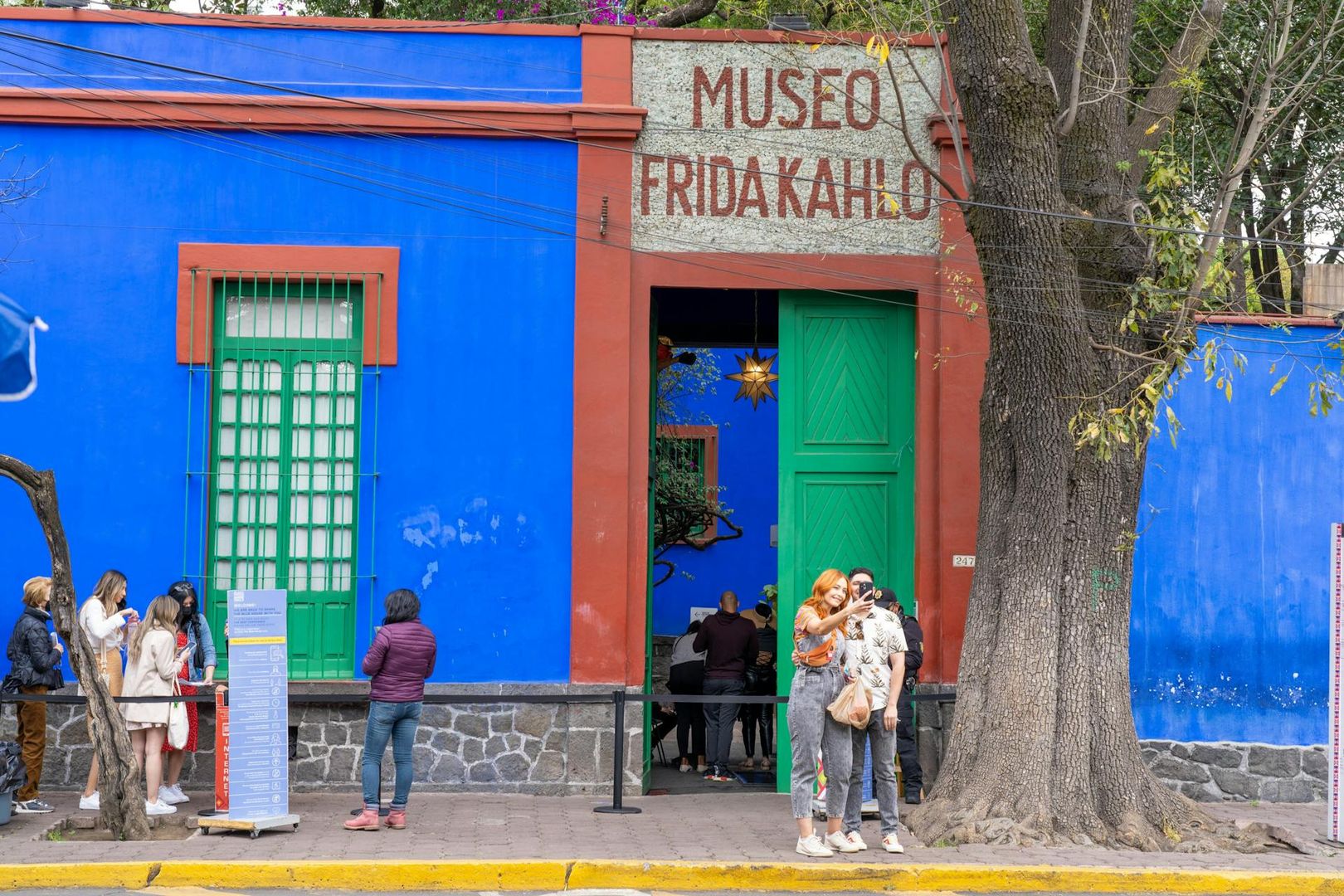
★ 4.5 · Check duration
From $0View dates →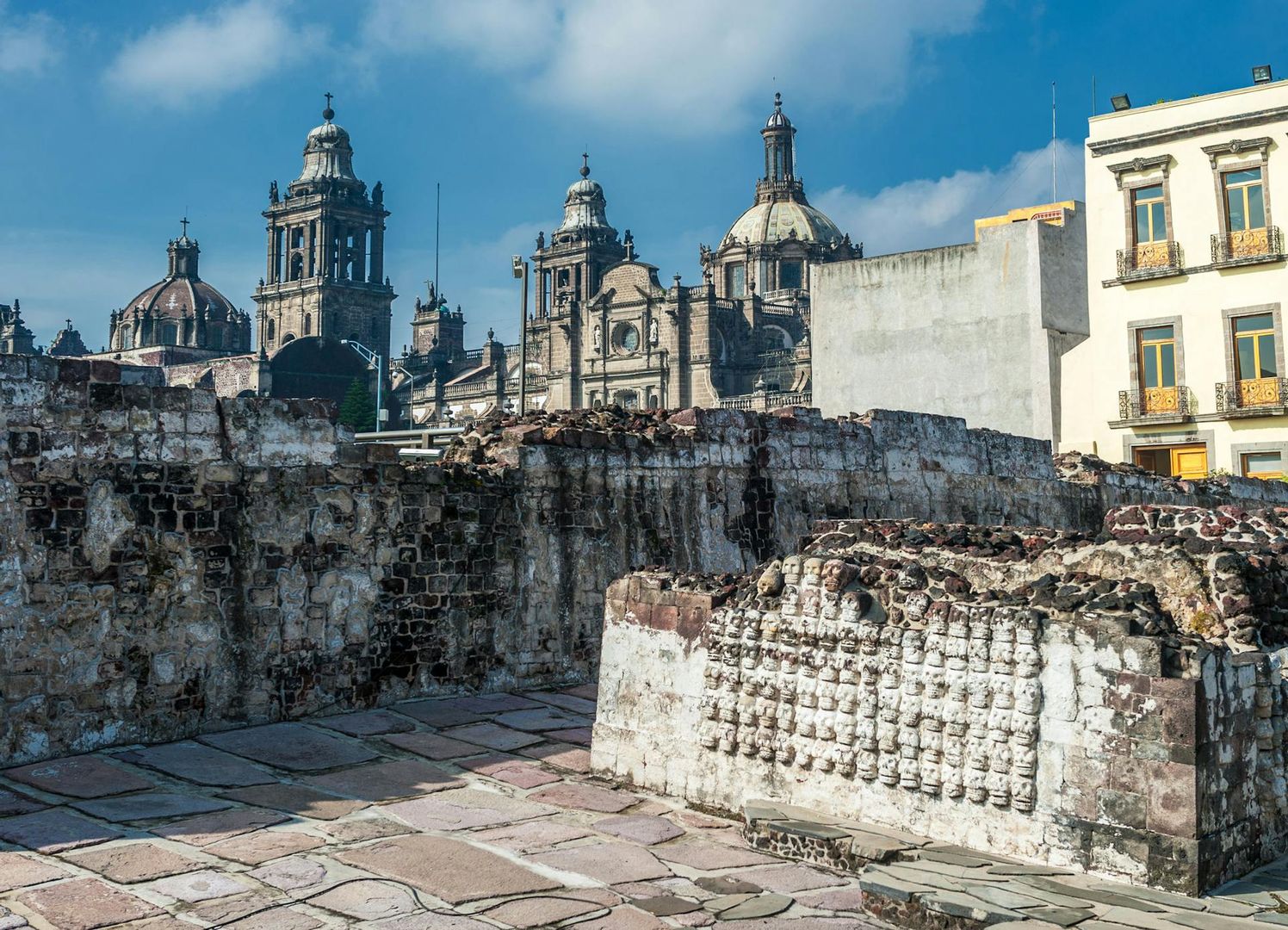
★ 4.5 · Check duration
From $0View dates →
★ 3 · Check duration
From $0View dates →
★ 3 · Check duration
From $0View dates →Mexico is bigger than most itineraries admit. Give a city or coastline enough time to develop a rhythm.
Highland evenings, Caribbean storms, Pacific humidity, and Baja wind do not follow one national forecast.
A good walking or food tour on day one gives the rest of your trip better bearings and a better restaurant list.
Learn a few Spanish phrases, ask before photographing people, and buy directly from makers.
It depends on the region. The central highlands are generally most comfortable from October through April, while Caribbean and Pacific weather patterns differ.
For a one-week trip, one city-and-coast pairing is usually enough. Mexico rewards slower travel more than frequent airport days.
Reserve limited-capacity food tours, archaeological visits, and boat trips early. Leave ordinary museum and neighborhood time flexible.
Activity prices and availability come from the listed supplier and can change before checkout.
You need one market breakfast, one unhurried conversation, one view that stops the day—and enough time to notice all three.
Start planning →